Planning a trip on the Bangladesh Railway can seem a bit tricky if you’re new to it. There are many things to think about, like tickets, stations, and different classes. But don’t worry!
This guide will make it super simple. We’ll walk you through everything step-by-step, so you feel ready and excited to explore Bangladesh by train. Get ready for some helpful Bangladesh Railway travel tips that will make your journey smooth and enjoyable.
Key Takeaways
- Learn how to buy train tickets easily.
- Discover the different train classes and what they offer.
- Understand station etiquette and how to find your platform.
- Get practical advice on onboard comfort and safety.
- Know what to expect regarding punctuality and planning.
- Find out how to handle luggage and other travel essentials.
Getting Your Bangladesh Railway Tickets
Buying a ticket for a train in Bangladesh is the first step to your adventure. Many people find this part a little confusing because there are a few ways to do it, and sometimes queues can be long. You want to make sure you get the right ticket for the right seat on the right day.
This section will break down how to get your tickets without any fuss, so you can focus on the fun part of your trip.
Online Ticket Booking
The Bangladesh Railway has an official website for booking tickets online. It’s a convenient way to secure your seat from anywhere. You will need to create an account first.
- Visit the official website (mentioning the specific name of the website is important here for SEO).
- Select your departure and arrival stations, and the date of travel.
- Choose the train and the class of travel you prefer.
- You will see available seats. Select your desired seat.
- Proceed to payment. Major credit and debit cards, as well as mobile banking options, are usually accepted.
- After successful payment, you will receive an e-ticket via email or SMS. This e-ticket can be shown on your phone or printed out.
Using the online system saves you time and the hassle of visiting a physical ticket counter. It’s especially useful if you are traveling during peak seasons or to popular destinations where tickets sell out fast. The online platform also provides real-time seat availability, so you know exactly what’s open.
Ticket Counter Purchases
For those who prefer a more traditional approach or if you face issues with the online system, buying tickets at the station is also an option. You will find ticket counters at all major railway stations across Bangladesh.
The process is straightforward. You go to the counter, tell the clerk your desired destination, date, and train. They will tell you which trains are available and what seats are free.
Be prepared for potential queues, especially during busy hours or holidays. Having the exact fare in cash can speed things up. It’s also a good idea to know the Bengali names of stations or have them written down to avoid any miscommunication.
Here’s a step-by-step guide for counter purchases:
- Locate the ticket booking counter at the station.
- Have your travel details ready (destination, date, preferred train if known, class of travel).
- Write down your destination station name clearly.
- State your requirements to the ticket seller.
- Pay the fare and receive your ticket.
Sometimes, ticket sellers might suggest alternative trains or classes if your first choice isn’t available. Be open to these suggestions to ensure you can travel.
Types of Train Tickets
Understanding the different ticket types helps you choose the best option for your journey. The main distinction is between reserved and unreserved tickets.
- Reserved Tickets These are for specific seats on specific trains and classes. You book them in advance and are guaranteed a place. This is the most common type for longer journeys.
- Unreserved Tickets These are for general compartments and are sold on a first-come, first-served basis on the day of travel. They are usually cheaper but offer no guaranteed seat, and the compartments can be very crowded. These are best for very short trips where you don’t mind standing.
When buying reserved tickets, you’ll need to specify the class you want. The next section covers these classes in more detail.
Understanding Train Classes in Bangladesh
When you book a ticket, you’ll see different classes to choose from. Each class offers a different level of comfort and amenities. Knowing what each class provides will help you pick the best one for your budget and travel style.
It can be confusing at first, but it’s really just about deciding how comfortable you want your ride to be.
First Class (AC and Non-AC)
First Class is the most comfortable option available on most long-distance trains. It’s divided into two types: First Class AC and First Class Non-AC.
- First Class AC (FC AC): This is the premium class. You get a private cabin with comfortable, reclining seats that can often be converted into beds. There’s usually air conditioning, making it a pleasant experience even in hot weather. These cabins are typically for 2 or 4 people, offering privacy.
- First Class Non-AC (FC Non-AC): This class offers similar spacious seating as First Class AC but without the air conditioning. Seats are comfortable and can be quite roomy, providing a good amount of legroom. It’s a good option if you prefer natural ventilation and a slightly lower fare than AC.
A real-life example of choosing First Class: A family traveling from Dhaka to Cox’s Bazar might book a First Class AC cabin. This ensures they have a private, comfortable space for their overnight journey, allowing the children to sleep soundly. The cost is higher, but the peace of mind and comfort are worth it for many.
Second Class (Shovon Chair and AC/Non-AC Chair)
Second Class offers a more economical way to travel. It includes Shovon Chair and various chair car options.
- Shovon Chair (SC): This is a very popular class, offering a comfortable chair for your journey. The seats are usually arranged in a 2×2 configuration on each side of the aisle. While not as luxurious as First Class, it’s a significant step up from general compartments and provides a decent level of comfort for day or night travel.
- Second Class AC (SCA) / Non-AC Chair (NCC): Some trains have chair car options in Second Class with air conditioning. These provide a more comfortable seating experience than Shovon Chair, with better climate control. Non-AC Chair cars offer similar seating but without air conditioning, making them a good mid-range choice.
Many travelers opt for Shovon Chair for intercity travel. For instance, a student traveling from Rajshahi to Dhaka might choose Shovon Chair. It’s affordable, offers a dedicated seat, and is generally cleaner and more orderly than the general compartments.
The seating is usually comfortable enough for trips lasting several hours.
Third Class (General/Compartment)
Third Class, often referred to as General or Compartment, is the most basic and cheapest option. It’s generally unreserved, meaning seats are not guaranteed, and compartments can get very crowded.
- General Compartment: These compartments have bench-style seating and are designed to hold many passengers. They are often very basic and can be crowded, especially during peak times or on popular routes. This is the most economical choice, suitable for short journeys or for those on a very tight budget who don’t mind a less comfortable experience.
It’s important to note that while Third Class is the cheapest, it can also be the most challenging for new travelers due to the high passenger density and lack of guaranteed seating. Travelers often need to find space to sit or stand near the doors. It’s an authentic experience, but not for everyone.
Navigating Bangladesh Railway Stations
Arriving at a busy train station can be a little overwhelming, especially in a new country. You need to know where to go, how to find your platform, and what to do before your train arrives. Don’t worry, this part is simpler than it looks.
We’ll give you easy steps to feel confident at any Bangladesh Railway station.
Station Layout and Facilities
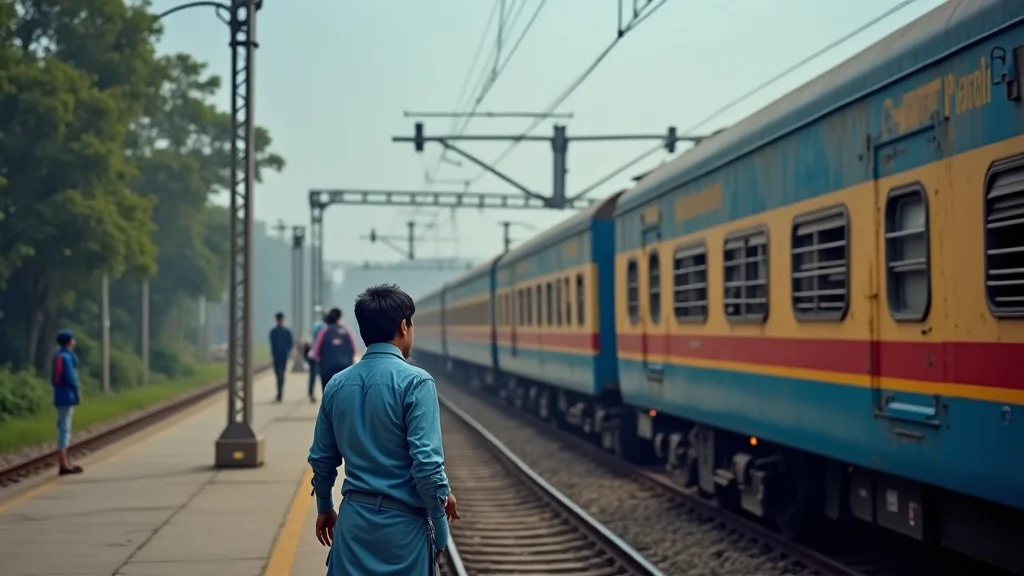
Most major railway stations in Bangladesh follow a similar layout. You’ll typically find ticket counters, waiting areas, and platform entrances. Larger stations might have food stalls, restrooms, and information desks.
- Main Entrance: This is where you’ll first enter the station.
- Ticket Counters: Usually located near the entrance. Look for signs indicating “Ticket” or “Counter”.
- Waiting Areas: Designated spaces with seating for passengers.
- Platforms: Numbered areas where trains arrive and depart. Signs will indicate the platform number for each train.
- Information Desk: If available, this is a good place to ask for directions or train information.
It’s helpful to arrive at the station a bit early, especially for longer journeys. This gives you time to get your bearings, find your platform, and settle in without rushing.
Finding Your Platform
Finding your platform is usually straightforward. Once you have your ticket, check the departure boards or listen for announcements.
Departure boards are usually displayed prominently. They list train names, numbers, destinations, and the platform from which they depart. Some boards might be digital, showing real-time updates, while others are static.
If you’re unsure, don’t hesitate to ask station staff or other passengers for assistance. They are usually happy to help. Having your train number and destination written down can be helpful for quick communication.
Here’s a quick scenario:
- You arrive at Dhaka’s Kamalapur Railway Station with your ticket.
- Look for the large departure display board near the main hall.
- Find your train name or number (e.g., “Mohanagar Express” or “Train 701”).
- Note the platform number assigned to your train.
- Follow the signs or ask staff to direct you to that platform.
Station Etiquette and Safety
Being aware of basic station etiquette makes the experience smoother for everyone. It’s about being considerate and safe.
- Queuing: Always join the back of the queue at ticket counters and for boarding.
- Luggage Handling: Keep your luggage with you at all times. Be mindful of others when placing bags, especially in crowded areas.
- Boarding Trains: Wait for passengers to disembark before you attempt to board. Do not push your way onto the train.
- Information Screens: Pay attention to platform changes or delays announced on the screens or through the PA system.
- Personal Belongings: Keep your belongings secure and within sight, especially in crowded waiting areas or on platforms.
A statistic related to station safety shows that incidents are often reduced when passengers are aware of their surroundings and follow basic safety guidelines. For example, in many countries, over 60% of petty theft incidents at stations occur when passengers are distracted or leave their bags unattended.
Onboard Comfort and Travel Tips
Once you’re on the train, you want to be comfortable and prepared for your journey. From what to wear to how to get food, these tips will make your time on the train much more pleasant. It’s all about being ready for a relaxed ride.
What to Pack
Packing smart is key to a comfortable train journey. Consider what you might need during your trip.
- Comfortable Clothing: Wear loose, breathable clothing. Layers are good, as train temperatures can vary.
- Snacks and Water: While food is often available, bringing your own preferred snacks and plenty of water is wise.
- Entertainment: A book, downloaded movies, or music can make the time fly by.
- Power Bank: For charging your phone or other devices, as not all seats have accessible charging points.
- Travel Pillow and Blanket: Especially for overnight journeys, these can significantly improve sleep comfort.
- Hand Sanitizer and Wet Wipes: Essential for hygiene on the go.
Bringing a small backpack with these essentials makes them easily accessible without having to rummage through larger luggage.
Food and Refreshments
Food options on trains vary by class and train type. On long-distance trains, there are usually vendors selling snacks and drinks, and sometimes a dining car or pantry car is available, particularly in higher classes.
- Pantry Car/Dining Car: Found on some premier trains, offering meals and beverages. These are more common in First Class.
- Vendors: Mobile vendors walk through the carriages selling tea, coffee, biscuits, and light snacks.
- Bringing Your Own Food: Many travelers prefer to bring their own food, especially for day trips or if they have specific dietary needs. This is a common practice and is perfectly acceptable.
A tip for food: Try local street snacks purchased at the station before boarding, but be cautious about hygiene if you have a sensitive stomach. Water is usually sold by vendors, but having your own sealed bottle is always a safe bet.
Sleeping Arrangements on Overnight Trains
For overnight journeys, sleeping arrangements depend on the class of travel.
- First Class AC Cabins: These are equipped with beds or very comfortable seats that recline significantly, often converting into sleeping berths. Bedding might be provided.
- Second Class AC/Non-AC Chair Cars: Seats are designed for comfort but are not beds. You can recline them to a certain extent and use your travel pillow for support.
- Shovon Chair / General Compartments: Sleeping here is more challenging. You will be in your seat. Many travelers bring their own neck pillows and blankets to make sleeping as comfortable as possible.
To enhance sleep, try to secure a window seat if possible, as it provides a surface to lean on. Using earplugs and an eye mask can also block out light and noise, making it easier to rest.
Safety and Security Onboard
Safety is important on any journey. The Bangladesh Railway generally has a good safety record, but it’s always wise to take precautions.
- Keep Belongings Secure: Always keep your bags close and secured. Use luggage straps if needed.
- Be Aware of Your Surroundings: Stay alert, especially when the train is stopped at stations.
- Valuables: Avoid displaying expensive items openly.
- Fellow Passengers: Be polite and friendly, but also cautious.
- Emergency Exits: Know where emergency exits are located, although these are rarely needed.
According to a general safety survey on public transport, traveler awareness is a key factor in preventing incidents. Passengers who remain vigilant and aware of their environment are less likely to become targets of petty crime. The Bangladesh Railway system has security personnel on some trains and at stations to help ensure passenger safety.
Bangladesh Railway Travel: Practicalities and Planning
Beyond tickets and comfort, there are other small things to consider that make a big difference to your trip. Things like knowing about punctuality or how to get around the city when you arrive. These practical tips will make sure your travel goes off without a hitch.
Punctuality and Delays
Trains in Bangladesh can sometimes experience delays. This is a reality of railway travel in many countries, especially due to track maintenance, weather, or other operational reasons.
While punctuality has improved in recent years, it’s wise to factor in potential delays when planning your schedule. For important appointments or connecting flights, it’s best to book a train that arrives well in advance. Always check for any schedule updates before you travel.
The railway authority often provides information on significant delays through their website or at stations.
A practical approach: If you have a train booked, check the railway’s official website or app a few hours before departure for any announced delays. If a delay is significant, consider if you need to adjust your plans accordingly. For example, if your train is delayed by 3 hours, and you have a flight to catch in 4 hours at your destination, you might need to explore alternative transport options.
Luggage Restrictions and Handling
There are some guidelines on luggage size and quantity, particularly for reserved compartments.
- Personal Luggage: Passengers in First Class AC and other higher classes are usually allowed a reasonable amount of personal luggage. This often includes one or two bags that can fit in the overhead compartments or at your feet.
- General Compartments: In general compartments, luggage space is very limited. It’s best to travel light. Large suitcases can be difficult to manage.
- Baggage Services: Some major stations offer parcel and baggage services, where you can send larger items separately. Check with your station for availability and rules.
It’s important to keep your luggage with you at all times. The railway is not responsible for lost or stolen personal belongings. For safety and convenience, try to pack essentials in a smaller bag that you can keep with you at your seat.
Connecting to Your Final Destination
Once you arrive at your destination station, you’ll need to get to your hotel or next location.
- Taxis and Rickshaws: These are readily available outside most major railway stations. Agree on a fare before starting your journey.
- Ride-Sharing Apps: Apps like Uber and Pathao are popular in major cities like Dhaka and Chittagong and offer a convenient way to book a ride.
- Local Buses: These are the most economical option but can be crowded and follow fixed routes.
Having the address of your final destination written down clearly, or available on your phone, will help you communicate with drivers.
Common Myths Debunked
Myth 1: Bangladesh Railway is always late and unreliable.
While delays can happen, the Bangladesh Railway has been working hard to improve its punctuality. Many trains now run on time, especially the newer, faster services on major routes. It’s always good to check schedules, but don’t assume every train will be significantly delayed.
Myth 2: You can only buy train tickets in person at the station.
This is not true. The Bangladesh Railway offers online ticket booking through its official website and mobile apps. This makes purchasing tickets much easier and more convenient, allowing you to book from home or on the go.
Myth 3: Third Class is too dangerous and uncomfortable for foreigners.
Third Class compartments can indeed be crowded. However, they are not inherently dangerous. Many locals travel this way daily.
For foreigners, the main challenge might be the lack of personal space and the intensity of the crowd. Choosing a higher class is recommended for a more comfortable experience, but Third Class is an option if you are on a tight budget and prepared for a busy environment.
Myth 4: You need to book tickets weeks in advance.
For popular routes and during peak travel times (like holidays), booking a few days or even weeks in advance is a good idea. However, for many routes and off-peak times, booking a day or two before, or even on the day itself (for unreserved tickets), is often sufficient. Online booking provides real-time availability, so you can check how fast tickets are selling.
Frequently Asked Questions
Question: How much does a train ticket typically cost in Bangladesh?
Answer: Ticket prices vary greatly depending on the class of travel, the distance, and the train type. Third Class tickets are the cheapest, often costing just a few US dollars for long distances. First Class AC tickets are the most expensive, but still generally affordable compared to international prices.
Question: Can I buy tickets on the train?
Answer: Generally, tickets must be purchased before boarding the train from an authorized ticket counter or online. It is not advisable to expect to buy tickets directly from the train conductor.
Question: Is it safe to travel alone on the Bangladesh Railway?
Answer: Yes, traveling alone is generally safe. As with any travel, it’s important to stay aware of your surroundings, keep your belongings secure, and be polite to fellow passengers.
Question: What is the best way to travel between Dhaka and Chittagong?
Answer: The Dhaka to Chittagong route is very popular, served by several fast trains like the Sonar Bangla Express and Subarna Express. Booking First Class AC or Shovon Chair is recommended for comfort and speed. Online booking is highly recommended for this route.
Question: Can I bring food onto the train?
Answer: Absolutely. You are welcome to bring your own food and snacks onto the train. Many passengers do this for convenience and to save money.
Ensure your food is sealed and easy to manage.
Summary
Traveling by Bangladesh Railway is an accessible and rewarding way to see the country. By knowing how to buy tickets, understanding the different classes, and preparing for your journey, you can have a smooth and enjoyable experience. Simple planning makes all the difference for comfortable travel.