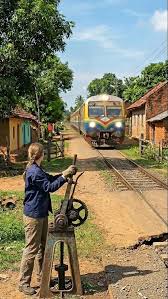
Many people find the Bangladesh Railway cargo booking process a bit tricky at first. It can seem like there are many steps. But don’t worry, it’s simpler than you think!
We’ll walk you through it step-by-step. Get ready to learn how to send your goods without any fuss. Let’s get started on making your cargo booking smooth.
Key Takeaways
- You will learn the basic steps for booking cargo with Bangladesh Railway.
- Understand the documents needed for the booking process.
- Discover how to choose the right type of wagon for your goods.
- Find out about payment procedures and tracking your shipment.
- Learn tips for a hassle-free cargo booking experience.
Understanding Bangladesh Railway Cargo Booking
Sending goods using Bangladesh Railway is a smart choice for moving large quantities of items across the country. This method is often more affordable and environmentally friendly than road transport for bulk shipments. However, understanding the official Bangladesh Railway cargo booking process can initially feel a little confusing for newcomers.
There are specific forms to fill out, rules to follow, and options to consider, which might seem overwhelming.
This guide aims to break down everything you need to know. We will cover the entire process from start to finish. You will learn about the different types of cargo services available, what information you need to provide, and how to complete each stage successfully.
By the end of this article, you will feel confident in managing your own cargo bookings with the railway.
What is Bangladesh Railway Cargo Service
Bangladesh Railway offers a vital service for transporting goods. It helps businesses move raw materials, finished products, and agricultural produce from one part of the country to another. This network is extensive, connecting major cities and industrial hubs.
The cargo services are designed to handle different types of shipments. These can range from small parcels to large bulk loads. The railway has special wagons for various goods, ensuring safe and efficient delivery.
- Bulk Cargo: This is for large quantities of a single item, like coal, cement, or grain.
Transporting items in bulk via railway is very cost-effective. It reduces the number of vehicles needed, which in turn cuts down on road congestion and pollution. For example, a single freight train can carry as much as 100 truckloads of goods.
- General Cargo: This covers a wide variety of items that don’t fall into bulk categories. Think of manufactured goods, machinery, or household items.
General cargo services are flexible. They allow businesses to send diverse products without needing specialized handling equipment. Bangladesh Railway provides different wagon types to suit these varied needs, ensuring items reach their destination safely.
- Parcel Service: For smaller shipments that need to be sent quickly.
The parcel service is ideal for businesses or individuals sending documents, small packages, or urgent items. It operates on passenger train schedules, offering a quicker transit time for lighter loads. This makes it a convenient option for many shipping needs.
Benefits of Using Railway Cargo
Using Bangladesh Railway for your cargo needs offers several advantages. One of the biggest is cost savings. Moving large volumes of goods by train is typically cheaper per ton-mile than using trucks.
This is especially true for long distances. Businesses can significantly reduce their transportation expenses by opting for rail.
Safety is another major benefit. Trains are a very stable mode of transport. They have a lower accident rate compared to road vehicles.
This means your goods are less likely to be damaged or lost during transit. Specialized wagons are also available for delicate or hazardous materials, providing extra security.
Environmental friendliness is also a key advantage. Trains use less fuel per ton of cargo than trucks. This leads to lower greenhouse gas emissions.
Choosing rail transport is a more sustainable option for your business and contributes to a healthier planet. For instance, studies show that freight trains can be up to four times more fuel-efficient than trucks.
Furthermore, railway networks are often less affected by traffic jams. This leads to more predictable transit times, especially for long-haul journeys. This reliability helps businesses plan their supply chains more effectively and avoid costly delays.
Steps in the Bangladesh Railway Cargo Booking Process
The Bangladesh Railway cargo booking process involves a series of straightforward steps. Following these steps carefully ensures your shipment is handled correctly and efficiently. You’ll need to gather some information and visit a designated railway station or office.
Planning ahead can save you time and avoid potential issues.
The initial step is to determine the type of cargo you are sending and its destination. This information will guide you in selecting the right service and wagon type. Next, you will need to prepare the necessary documents.
This is a critical part of the process, as missing paperwork can cause significant delays.
Once you have your information and documents ready, you will proceed to the booking office. Here, you will fill out the required forms and pay the applicable fees. After booking, your cargo will be prepared for dispatch, and you can then track its movement.
Let’s look at each of these steps in more detail.
Step 1 Gathering Essential Information
Before you even visit the booking office, you need to collect some key details about your shipment. This includes the exact nature of the goods you are sending. Are they fragile, hazardous, perishable, or general items?
This helps in selecting the correct wagon and handling procedures.
You also need to know the total weight and volume of your cargo. This information is essential for calculating the freight charges and determining the space required. Knowing the origin and destination stations is also crucial.
Make sure you have the correct station names and codes if available.
Additionally, consider the urgency of your delivery. This might influence whether you choose a general freight service or a faster parcel service. Having all this information ready will make the booking process much smoother and quicker.
Details to Prepare
- Nature of Goods (e.g., grains, machinery, textiles)
- Total Weight of Cargo (in kilograms or tons)
- Total Volume of Cargo (in cubic meters or feet)
- Origin Station Name and Code
- Destination Station Name and Code
- Required Delivery Date (if any)
- Contact Person Details (Name, Phone Number, Address)
Step 2 Preparing Necessary Documents
Proper documentation is a cornerstone of the Bangladesh Railway cargo booking process. Without the correct paperwork, your booking might be rejected or significantly delayed. The railway authorities need these documents for verification, record-keeping, and legal compliance.
The most important document is usually a Goods Declaration Form. This form requires detailed information about the cargo, its value, and its intended use. You will also need to provide identification for yourself or the authorized person making the booking.
Depending on the type of goods, additional certificates might be required. For example, if you are sending food items, you might need a health certificate. For certain industrial materials, a permit from a relevant government agency might be necessary.
It is always best to check with the railway office beforehand about specific document requirements for your type of cargo.
- Goods Declaration Form: This is the primary document detailing your cargo. It includes information like commodity type, quantity, weight, value, and sender/receiver details.
- Identification Proof: A valid photo ID of the person making the booking, such as a National ID card, passport, or driving license.
- Invoice or Bill of Sale: For commercial shipments, this document proves the ownership and value of the goods.
- Permits/Certificates (if applicable): Depending on the commodity, you may need permits from ministries or specific certificates (e.g., for agricultural products, chemicals, or live animals).
- Company Authorization Letter: If a representative is booking on behalf of a company, they will need a formal letter authorizing them to do so.
Having these documents in order prevents last-minute rushes and ensures a smooth transaction. It also helps the railway staff process your booking efficiently, reducing waiting times.
Step 3 Visiting the Booking Office
Once you have all your information and documents ready, your next step is to visit the Bangladesh Railway cargo booking office. These offices are usually located at major railway stations. It’s a good idea to go during business hours and be prepared for a potential wait.
At the office, you will submit your Goods Declaration Form and other required documents to the booking clerk. They will review everything to ensure it is complete and accurate. If everything is in order, they will proceed with creating your booking.
This is also the stage where you can ask any remaining questions you might have. For instance, you can inquire about the estimated departure and arrival times, the specific wagon allocated, and any special handling instructions. The clerk will confirm the details of your booking.
Step 4 Selecting Wagon Type
Choosing the right type of wagon is crucial for the safe and efficient transport of your cargo. Bangladesh Railway has various types of wagons designed for different kinds of goods. The type of wagon you need will depend on the physical characteristics of your shipment.
For general goods that are not sensitive to weather, standard open wagons might be sufficient. However, if your cargo needs protection from rain, dust, or extreme temperatures, you will need covered wagons. These are essentially boxcars that offer a sealed environment for your goods.
Specialized wagons are also available for specific types of cargo. For example, there are tank wagons for liquids like oil or chemicals, and refrigerated wagons for perishable goods like fruits or medicines. The booking clerk will help you identify the most suitable wagon for your needs based on the information you provide.
| Wagon Type | Description | Suitable For |
|---|---|---|
| Open Wagon | Flatbed wagons with low sides, open to the sky. | Bulk materials like coal, stones, iron, scrap. |
| Covered Wagon (Boxcar) | Enclosed wagons with doors on the sides. | General merchandise, manufactured goods, textiles, food grains. |
| Tank Wagon | Cylindrical tanks mounted on a chassis. | Liquids and gases (e.g., petroleum products, chemicals). |
| Refrigerated Wagon | Insulated wagons with cooling systems. | Perishable items like fruits, vegetables, dairy products, medicines. |
| Flat Wagon | Completely flat platforms. | Oversized or heavy machinery, vehicles, construction equipment. |
The availability of specific wagon types can vary, so it’s good to inquire about this early. Sometimes, booking in advance is necessary for specialized wagons.
Step 5 Payment of Freight Charges
After your booking is confirmed and the wagon type is decided, the next step is to pay the freight charges. The total cost depends on several factors. These include the weight and volume of your cargo, the distance it will travel, and the type of wagon used.
Bangladesh Railway has a set tariff for its cargo services. The booking clerk will calculate the total amount based on these rates. You can typically pay through various methods, which may include cash, bank transfer, or through specific railway payment portals.
Always ask for a receipt for your payment.
This receipt is your proof of payment and an important document to keep. It usually contains your consignment number, which is vital for tracking your shipment later on. Understanding the charges upfront helps in budgeting for your transportation needs.
Factors Affecting Freight Charges
- Distance: Longer routes cost more.
- Weight and Volume: Heavier or bulkier goods incur higher charges.
- Commodity Type: Some goods might have different rates due to handling or hazard classifications.
- Wagon Type: Specialized wagons like refrigerated ones often cost more.
- Additional Services: If you opt for services like special loading or unloading assistance, there might be extra fees.
It’s wise to get an estimate of the charges when you are in the planning stage. This will help in making informed decisions about your logistics.
Step 6 Dispatch and Loading
Once payment is made, your cargo is scheduled for dispatch. This involves loading your goods onto the designated wagon. Depending on the type of cargo and the facilities at the station, this process can be managed by railway staff or supervised by you or your representative.
For bulk cargo, large loading equipment might be used. For general merchandise, manual loading or smaller mechanical aids may be employed. Ensure that your goods are loaded securely and in a way that maximizes the use of space in the wagon, while also preventing damage during transit.
The consignment number, provided on your payment receipt, becomes active from this point. This number is your key to tracking the progress of your shipment. Always ensure the railway staff correctly note the consignment details during loading.
Step 7 Tracking Your Shipment
After your cargo has been dispatched, you can track its journey. Bangladesh Railway usually provides a system for tracking consignments. This allows you to monitor the progress of your goods and get an estimated time of arrival at the destination station.
To track your shipment, you will typically need your consignment number. You can usually track your cargo through the official Bangladesh Railway website or by contacting the cargo department of the relevant stations. Some stations might also have dedicated phone lines for tracking inquiries.
Knowing the status of your shipment offers peace of mind. It also helps you plan for the collection of your goods at the destination. Timely tracking can alert you to any unexpected delays, allowing you to make alternative arrangements if necessary.
Common Challenges and Solutions
While the Bangladesh Railway cargo booking process is designed to be efficient, users might encounter certain challenges. Understanding these common issues and their solutions can help make your experience much smoother. Proactive preparation is key to overcoming most hurdles.
One frequent challenge is the availability of specific wagon types, especially during peak seasons. Another issue can be delays in booking confirmations or dispatch due to high traffic at booking offices or yard congestion. Sometimes, discrepancies in documentation can cause hold-ups.
Fortunately, most of these problems can be avoided or resolved with a little foresight and clear communication. By understanding what to expect, you can better prepare yourself and ensure your cargo reaches its destination without unnecessary complications.
Challenge 1 Wagon Availability
A common issue is the availability of specific types of wagons, particularly specialized ones like refrigerated or tank wagons. During busy periods or for certain routes, these wagons might be in high demand and booked well in advance.
Solution: Plan your booking well ahead of your required dispatch date. For specialized wagons, try to book several weeks or even months in advance, depending on the demand. Maintaining a good relationship with the railway cargo officials can also help.
If your preferred wagon type is unavailable, inquire about alternative solutions or flexible scheduling. Sometimes, slightly modifying your cargo’s packaging might allow it to fit into a more readily available wagon type.
Challenge 2 Documentation Errors
Incorrect or incomplete documentation is a frequent cause of delays. This can range from misspelled names to missing permit numbers or incorrect commodity classifications. Railway authorities have strict rules about paperwork.
Solution: Double-check all documents before submitting them. Ensure that names, addresses, and codes match exactly across all papers. If you are unsure about any required permit or certificate, contact the relevant government agency or the railway cargo office for clarification well in advance.
Consider having a checklist of all necessary documents and ticking them off as you gather them.
Challenge 3 Delays in Booking or Dispatch
Sometimes, you might experience delays in getting your booking confirmed or your cargo dispatched. This can happen due to high volumes of requests at the booking office or congestion at the railway yard. Delays can also occur if there are operational issues with the trains.
Solution: Be patient and maintain communication with the railway authorities. If a significant delay is expected, try to understand the reason. This information might help you inform your recipients.
Sometimes, dispatch might occur on a slightly different day than initially planned, but the consignment will eventually move. Asking for an updated schedule and tracking your consignment regularly can keep you informed.
Challenge 4 Communication Gaps
Poor communication can lead to misunderstandings about schedules, charges, or procedures. This is especially true if you are new to the system.
Solution: Always try to get information in writing. If you have a conversation with a railway official, follow up with an email summarizing the discussion. Keep copies of all receipts, booking confirmations, and any correspondence.
Don’t hesitate to ask clarifying questions until you are fully satisfied. Building a rapport with the cargo booking staff can also improve communication.
Tips for a Smooth Booking Experience
To ensure your experience with the Bangladesh Railway cargo booking process is as smooth as possible, a few proactive steps can make a big difference. Think of these as best practices that have been learned over time by frequent users of the service.
Being organized is paramount. Have all your details and documents ready before you visit the booking office. Understanding the different services and pricing structures in advance can also save time.
Finally, maintaining polite and clear communication with railway staff will always work in your favor.
- Book in Advance: Especially for large shipments or during peak seasons, booking early guarantees wagon availability and secures your preferred schedule.
- Verify All Details: Double-check station codes, contact information, and cargo descriptions on your forms. Small errors can cause significant delays.
- Understand the Pricing: Get a clear breakdown of all charges. Ask about any potential additional fees that might apply.
- Keep Records: Save all your payment receipts, booking confirmations, and any correspondence with the railway. These are essential for tracking and in case of disputes.
- Be Clear and Polite: When communicating with railway staff, be clear about your needs and polite in your requests. This often leads to better assistance.
- Know Your Cargo: Be precise about the nature of your goods. This helps in selecting the right wagon and ensures proper handling.
By following these simple tips, you can significantly improve your efficiency and reduce stress when booking cargo with Bangladesh Railway. It transforms what might seem like a complex procedure into a manageable task.
Common Myths Debunked
Myth 1: Railway cargo is always slow
Reality: While some freight trains might have schedules that seem slower than road transport for short distances, for long hauls, railway cargo can be very competitive and predictable. Modern rail operations and dedicated freight corridors are designed to improve speed and efficiency. For bulk goods and long distances, rail often proves more reliable than road, which can be subject to traffic jams and breakdowns.
Myth 2: Booking railway cargo is overly complicated for individuals
Reality: The Bangladesh Railway cargo booking process is structured with clear steps. While it requires attention to detail and specific documentation, it’s not inherently complex. The process is designed for both businesses and individuals.
By following the steps outlined in this guide and preparing your documents, even individuals can book cargo effectively. The railway has staff to assist you through the process.
Myth 3: You need a business license to book cargo
Reality: While many users of the railway cargo service are businesses, individuals can also book cargo. For personal shipments, you will need to provide identification and details about the goods. The primary requirement is accurate information and proper documentation for the specific type of goods being shipped, not necessarily a business license.
Myth 4: Railway cargo is only for very large shipments
Reality: Bangladesh Railway offers parcel services which are suitable for smaller shipments. While it excels at moving bulk and large consignments cost-effectively, the parcel service is available for individuals and smaller businesses needing to send packages. This service operates on passenger train schedules, offering a balance between speed and capacity.
Myth 5: You cannot track your cargo once it’s dispatched
Reality: Bangladesh Railway provides tracking facilities for its cargo consignments. Once your booking is confirmed and your goods are dispatched, you receive a consignment number. This number can be used to track the status and location of your shipment through their official channels, offering transparency and peace of mind.
Frequently Asked Questions
Question: What is the main benefit of using Bangladesh Railway for cargo?
Answer: The main benefits include cost-effectiveness for bulk shipments, increased safety and reliability compared to road transport, and a more environmentally friendly option due to lower fuel consumption per ton.
Question: Can I book cargo for personal use, not for business?
Answer: Yes, you can book cargo for personal use. Bangladesh Railway offers parcel services and general cargo options suitable for individuals sending personal belongings or other items.
Question: How do I find out the freight charges for my shipment?
Answer: You can get an estimate of the freight charges by contacting the cargo booking office at your nearest major railway station. The charges depend on the weight, volume, distance, and type of cargo and wagon.
Question: What happens if my cargo is delayed?
Answer: While delays can happen, Bangladesh Railway usually provides a system to track your consignment. If a significant delay occurs, you can inquire at the booking office or through their tracking system. Knowing the reason for the delay can help manage expectations.
Question: Is it possible to book cargo for international destinations through Bangladesh Railway?
Answer: Bangladesh Railway primarily operates within Bangladesh. For international cargo, you would typically need to arrange transport to a border crossing point and then use international freight services, or coordinate with shipping lines for sea routes.
Conclusion
Booking cargo with Bangladesh Railway is a practical and efficient method for moving goods across the country. By understanding the steps, preparing your documents, and choosing the right service, you can ensure a smooth process. This guide provided a clear path through the booking system.
Now you can confidently arrange your next shipment.