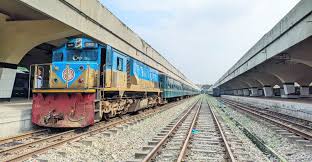
Figuring out how the Bangladesh Railway freight service kibhabe kaj kore? can feel a bit tricky at first. There’s a lot of information out there, and it’s easy to get lost. But don’t worry, this guide is here to make it super simple.
We will break down everything step-by-step so you can easily grasp how it all works. Let’s get started and clear up any confusion about moving your goods by train.
Key Takeaways
- You will learn the basic steps of how the Bangladesh Railway freight service operates.
- We will explain what types of goods can be transported.
- You will discover how to book and track your shipments.
- The process of pricing and payment will be made clear.
- Information about the infrastructure supporting the service will be shared.
- Tips for smooth shipping will be provided.
Understanding Bangladesh Railway Freight Service
The Bangladesh Railway freight service is a vital part of the country’s transportation network. It helps move goods from one place to another using trains. This service is super important for businesses that need to send large amounts of items.
It’s often a more cost-effective and eco-friendly way to ship things compared to roads. Many people wonder about the exact details of how it all works, especially when they are new to using it. This section will lay the foundation for understanding the core functions of this service.
What is Freight Transport?
Freight transport simply means moving goods from where they are made or stored to where they are needed. This can include raw materials, finished products, or anything else that needs to be shipped. Trains are one of the oldest and most efficient ways to do this, especially for long distances and heavy loads.
Think of it like this: when a factory makes many toys, those toys need to get to shops all over the country. Instead of using many trucks, a train can carry hundreds of thousands of toys in one go. This saves time, money, and reduces traffic on the roads.
The Role of Bangladesh Railway
Bangladesh Railway (BR) is the state-owned railway company of Bangladesh. It manages the entire railway network within the country. BR has a dedicated division for freight services.
This division focuses on transporting various commodities, from agricultural products to industrial goods.
The railway network connects major cities and industrial hubs. This makes it a convenient option for businesses located near railway stations. The goal is to provide reliable and affordable cargo movement.
Why Use Rail Freight?
-
Cost-effectiveness
Moving large volumes of goods by train is usually cheaper per ton than using trucks. This is because one train can carry as much as many trucks, spreading the cost over more items. This makes it a smart choice for businesses trying to save money on their shipping expenses.
-
Environmental benefits
Trains are much greener than trucks. They produce fewer emissions per ton of cargo moved. This means using rail freight helps reduce air pollution and the overall carbon footprint of your business.
It’s a step towards more sustainable shipping.
-
Capacity and speed
Trains can carry extremely heavy and bulky items that might be difficult or impossible to move by road. While trucks might seem faster for short distances, for long hauls, trains can often be just as quick, especially when considering loading and unloading times for multiple truckloads.
How Bangladesh Railway Freight Service Kibhabe Kaj Kore The Process
Now, let’s break down the actual steps involved when you want to use the Bangladesh Railway freight service. Understanding this process is key to a smooth experience. We will cover everything from the initial inquiry to your goods reaching their destination.
Booking A Freight Train
The first step is to get in touch with Bangladesh Railway’s freight division. You will need to provide details about your shipment. This includes the type of goods, the quantity, the origin station, and the destination station.
You can usually visit a local BR freight office or contact them via phone or email. They will guide you through the booking process. It’s important to be precise with the information you provide.
-
Contacting the Freight Office
Visit your nearest Bangladesh Railway freight terminal or office. You can also find contact numbers and email addresses on the official Bangladesh Railway website. They have dedicated staff to assist with freight bookings.
-
Providing Shipment Details
You will be asked for specific information. This includes the exact nature of the goods. Are they general cargo, food items, or industrial equipment?
You also need to state the total weight and volume. The origin and destination stations are critical.
-
Getting a Quotation
Based on your details, the railway authorities will calculate the freight charges. This quotation will include the cost of transportation and any additional services you might opt for.
-
Confirmation and Scheduling
Once you agree to the charges, you will receive a booking confirmation. This confirmation will include details about the scheduled departure and arrival times. It also specifies the type of wagon or carriage to be used for your goods.
Loading and Dispatch
After booking, the next phase is getting your goods loaded onto the train. This is a critical stage to ensure your items are handled carefully and secured properly.
Your goods will be brought to the designated platform or yard at the origin station. Railway staff will oversee the loading process. They ensure that the wagons are loaded according to safety regulations and capacity limits.
-
Transporting Goods to the Station
You are responsible for getting your goods to the origin railway station. This might involve using trucks or other local transport methods. Ensure the goods arrive on time as per your booking schedule.
-
Wagon Allocation
Bangladesh Railway allocates specific wagons for your consignment. The type of wagon depends on the nature of your goods. For instance, open wagons are used for bulk items like stones or cement, while covered wagons protect goods from weather.
-
Loading Supervision
Railway personnel will supervise the loading. They ensure the cargo is packed tightly and safely. Proper stacking prevents damage during the journey.
Sometimes, you may need to provide your own labor for loading, depending on the agreement.
-
Documentation and Seals
Once loaded, the wagons are sealed. A consignment note or ticket is issued, serving as proof of shipment. This document contains all the details of the cargo, sender, and receiver.
The Rail Journey
Once loaded and sealed, the freight train begins its journey. This part involves the actual movement of your goods across the railway network.
The train follows a predetermined schedule and route. It stops at various stations along the way, but freight trains are often prioritized to maintain schedules. The movement is monitored to ensure safety and efficiency.
-
Route and Schedule Adherence
Freight trains operate on fixed routes and schedules, though these can sometimes be flexible for very large or urgent consignments. The railway network is designed to carry goods efficiently between major economic centers.
-
Monitoring and Safety
The movement of the train is tracked by railway authorities. Safety checks are conducted regularly to prevent accidents and ensure the cargo remains secure throughout the trip.
-
Intermediate Stops
While freight trains aim for direct transit, they might make scheduled stops for crew changes, refueling, or to pick up/drop off other goods at major junctions.
Unloading and Delivery
Upon arrival at the destination station, your goods are unloaded. This is the final stage before your shipment reaches its end-user.
The recipient, or their authorized representative, needs to be present at the destination station to receive the goods. They will need to present the original consignment note.
-
Arrival Notification
The destination station usually informs the consignee (the receiver) about the arrival of their goods. This notification is often sent via phone call or a written message.
-
Verification and Receipt
The receiver must verify the consignment note and check the condition of the goods. Any discrepancies or damages should be reported immediately to railway officials.
-
Unloading Process
Similar to loading, railway staff will supervise the unloading. The consignee may need to arrange for their own labor or equipment to move the goods from the wagon.
-
Final Documentation
Once the goods are unloaded and taken possession of, the consignment note is stamped as received. This completes the transaction.
Types of Goods Transported
The Bangladesh Railway freight service can handle a wide variety of goods. This versatility makes it a valuable option for many industries. From everyday essentials to heavy machinery, the railway is equipped to move them.
Knowing what you can and cannot send is important for planning. The railway has specific guidelines for different types of cargo to ensure safety and efficiency.
Bulk Commodities
These are raw materials or goods that are transported in large quantities without packaging, or in very simple packaging.
-
Grains and Cereals
Rice, wheat, corn, and other food grains are frequently transported by rail. They are often carried in open wagons or specialized grain wagons. This helps meet the food demands of the nation.
-
Coal and Minerals
Coal, stone chips, sand, and various minerals are ideal for rail transport. Their bulk nature and weight make them difficult and expensive to move by road.
-
Fertilizers
Agricultural fertilizers are transported in large quantities to support farming activities across the country.
Manufactured Goods
These are products that have been processed or assembled in factories. They are often packaged for protection.
-
Consumer Products
Everyday items like packaged foods, detergents, textiles, and electronics can be shipped. They are usually placed in covered wagons to protect them from damage and weather.
-
Industrial Components
Parts and components for factories, machinery, and construction materials are commonly moved by rail. This ensures that industries have the supplies they need to operate.
-
Automobiles and Vehicles
New vehicles can be transported in specialized wagons designed to hold multiple cars. This is a safe and efficient way to move vehicles from manufacturing plants to distribution centers.
Perishable and Sensitive Goods
While less common for standard freight, specialized services may handle certain types of sensitive cargo.
-
Food Products
Certain food items that are not highly perishable and can withstand moderate travel times might be transported. Refrigerated wagons, if available and booked, can be used for temperature-sensitive items.
-
Chemicals
Specific types of chemicals, following strict safety regulations, can be transported. This requires special handling and approved containers to prevent any hazards.
Pricing and Payment
The cost of using the Bangladesh Railway freight service depends on several factors. Understanding these helps you budget and plan effectively.
The railway aims to provide competitive pricing. The charges are usually transparent, based on a clear rate structure.
Factors Influencing Cost
-
Distance
The longer the distance between the origin and destination, the higher the freight charge will be. This is a standard practice in transportation.
-
Weight and Volume
The total weight of the consignment is a primary factor. Sometimes, if the goods are bulky but light, the volume might also be considered.
-
Type of Goods
Certain goods, due to their nature or the special handling they require (like hazardous materials), may incur higher charges.
-
Type of Wagon Used
Different types of wagons have different operational costs. For example, a covered wagon might be more expensive than an open one.
-
Additional Services
If you require extra services like special loading assistance or insurance, these will add to the total cost.
Payment Methods
Payment for the freight service is usually made upfront or according to the terms agreed upon during booking.
-
Advance Payment
Most commonly, you will need to pay the full freight charges before your goods are dispatched. This ensures the booking is confirmed and the service is rendered.
-
Bank Transfer
Payments can often be made via bank transfer to the designated account of Bangladesh Railway.
-
Cash Payment
At some offices, you may be able to pay in cash for smaller consignments.
-
Official Receipts
Always ensure you receive an official receipt for all payments made. This receipt is proof of your transaction.
Infrastructure and Support
The efficiency of the Bangladesh Railway freight service relies heavily on its infrastructure and the support systems in place. This includes the tracks, stations, wagons, and the personnel who manage it all.
A well-maintained infrastructure is key to timely and safe deliveries. Bangladesh Railway continuously works to improve these facilities.
Railway Network
Bangladesh has an extensive railway network connecting major cities and economic zones. This network is the backbone of the freight service.
-
Track System
The tracks are the pathways for trains. They are maintained to ensure trains can run smoothly and safely at required speeds. Different types of tracks support various train loads.
-
Stations and Yards
Freight stations and yards are equipped for loading, unloading, and marshalling (organizing) of wagons. They act as hubs for the movement of goods.
Rolling Stock (Wagons)
The type of wagons used is crucial for transporting different kinds of cargo.
-
Covered Wagons
These wagons are enclosed, protecting goods from rain, sun, and dust. They are suitable for packaged goods, textiles, and electronics.
-
Open Wagons
These wagons have no roof, making them ideal for bulk items like coal, stone, sand, and scrap metal.
-
Tank Wagons
Specialized wagons designed to carry liquids or gases, such as oil or chemicals.
Signaling and Communication
Modern signaling systems and communication networks ensure safe train operations and coordination.
-
Signaling Systems
These systems help control train movements, prevent collisions, and manage traffic flow on the tracks.
-
Communication
Effective communication between train drivers, station masters, and control centers is vital for timely operations and quick response in emergencies.
Common Myths Debunked
Myth 1: Railway freight is always slow.
While it’s true that trains have fixed schedules, they are often more efficient for long distances than trucks. For bulk goods over long routes, rail can be just as fast, if not faster, when you consider the time saved from not needing multiple truck trips and the potential for fewer delays due to traffic. Bangladesh Railway prioritizes freight movement on its main lines.
Myth 2: You need to be a big company to use freight services.
This is not true. While large businesses use freight services extensively, smaller businesses and even individuals can use them for significant shipments. The key is the volume and type of goods; if it’s too much for a small truck, it might be viable for rail.
Myth 3: Freight handling is too complicated for beginners.
While there are procedures, Bangladesh Railway staff are there to help. With clear guidance, like what we’ve provided, the process becomes manageable. The key is to ask questions and follow the steps carefully.
Myth 4: Railway freight is too expensive.
For large volumes and long distances, railway freight is often more economical than road transport. The cost per ton per kilometer is typically lower. The perceived expense might come from misunderstanding the scale of savings for bulk shipments.
Frequently Asked Questions
Question: How do I track my shipment with Bangladesh Railway freight service?
Answer: Tracking usually involves using the consignment note or ticket number provided at the time of booking. You can inquire at the origin or destination station or, if available, through an online portal on the Bangladesh Railway website.
Question: What is the maximum weight a wagon can carry?
Answer: The maximum weight capacity varies depending on the type of wagon. Standard wagons can typically carry between 20 to 60 tons, while specialized wagons might handle more. You will be informed of the exact capacity when booking.
Question: Can I send household goods by freight train?
Answer: Yes, you can send household goods if they are packaged properly and fit within the allowed dimensions and weight. It is a cost-effective way to move larger quantities of personal belongings, especially during a move.
Question: Who is responsible if my goods are damaged during transit?
Answer: Responsibility depends on the cause of damage. If it’s due to improper loading or defects in the wagon, Bangladesh Railway might be responsible. If it’s due to poor packaging by the sender or external factors not related to the railway’s fault, the sender/receiver might bear the cost.
It’s advisable to check their terms and conditions regarding liability.
Question: How long does it take for goods to reach their destination?
Answer: Transit times vary based on the distance, the train’s schedule, and any intermediate stops. For major routes, it can range from a few hours to a couple of days. Always confirm estimated transit times during the booking process.
Wrap Up
Understanding how Bangladesh Railway freight service kibhabe kaj kore is now much clearer. You know the steps from booking to delivery, the types of goods you can send, and how pricing works. The service relies on its network, wagons, and trained staff to move your cargo safely and affordably.
Utilize this knowledge for your next shipment and experience efficient rail transport.