Figuring out train ticket prices in Bangladesh can be a bit tricky, especially if you’re new to it. Many people find it hard to know exactly how much their ticket will cost. But don’t worry!
We’ll make it super simple. This guide will walk you through everything step by step. You’ll be calculating fares like a pro in no time.
Let’s get started on making your travel planning easier.
Key Takeaways
- Learn how to accurately calculate your Bangladesh Railway ticket price.
- Discover the different fare components that affect your ticket cost.
- Understand how to use online tools and resources effectively.
- Find out about various ticket classes and their price differences.
- Get practical tips for planning your train travel budget.
Understanding Bangladesh Railway Fare Calculation
The Bangladesh Railway fare calculator is a tool that helps passengers determine the cost of their train tickets. It takes into account several factors to give an accurate price. For beginners, these factors might not be obvious, leading to confusion.
Understanding these elements ensures you know exactly what you’re paying for. This section will break down the main components of a railway fare.
Base Fare Components
The base fare is the fundamental price of your ticket. It’s determined by the distance you travel and the class of your seat. Bangladesh Railway has different classes, each with its own pricing structure.
The longer the journey, the higher the base fare will be. Similarly, traveling in a higher class, like AC First Class, costs more than in a lower class, like Shovon.
Different types of trains also have different base fare structures. Express trains, which make fewer stops, generally have a slightly higher base fare than local trains. This is because express trains offer a faster and more convenient travel experience.
The railway authority sets these rates based on operational costs and service quality.
- Distance: The total kilometers traveled is a primary factor. Longer distances mean a higher base fare. This is a straightforward calculation where fare increases linearly with distance.
- Class of Travel: This refers to the seating or sleeping compartment category. Classes range from General/Shovon to AC Bair, AC Chair, and First Class. Each class has a different multiplier applied to the base distance rate.
- Train Type: Express trains, Mail trains, and local passenger trains may have slightly different fare charts. Express trains usually carry a premium due to their speed and fewer stops.
Distance-Based Fare Calculation
The core of any fare calculation is the distance. Bangladesh Railway uses a system where a specific rate per kilometer is applied. This rate varies depending on the class of travel.
For example, the rate for Shovon class will be lower than for AC Bair class. This ensures that the cost reflects the comfort and amenities provided.
Imagine a journey of 300 kilometers. If the Shovon class rate is Tk 0.70 per kilometer, the base fare for Shovon would be 300 km Tk 0.70/km = Tk 210. If AC Bair class has a rate of Tk 1.50 per kilometer, the same 300 km journey would cost 300 km Tk 1.50/km = Tk 450 for the base fare.
These figures are illustrative and the actual rates are published by the railway authority.
The railway system often has fare slabs. This means that for certain distance ranges, the rate might be fixed or have a minor adjustment. This helps in simplifying the calculation process and standardizing prices for popular routes.
For instance, all journeys between 200 km and 250 km might have a standardized rate multiplier for a particular class.
Fare Adjustments and Surcharges
Beyond the base fare, several other charges can affect the final ticket price. These include surcharges for specific types of travel or services. Understanding these can prevent surprises when booking tickets.
They are typically added on top of the base fare calculated by distance and class.
For instance, reserved seats often have a small reservation fee. This is separate from the base fare and covers the cost of managing seat availability. Similarly, special trains or promotional services might have their own specific surcharges.
It’s always good to check for any additional fees when calculating your total travel cost.
- Reservation Fees: A small fee is added for reserved seats or berths. This fee is usually a fixed amount per seat or per berth.
- Superfast Surcharges: Some of the fastest trains might have an additional charge for their speed and efficiency. This compensates for the premium service.
- VAT and Taxes: Like most services, train tickets are subject to Value Added Tax (VAT). This tax is calculated on the total fare, including base fare and other surcharges.
How to Use a Bangladesh Railway Fare Calculator Online
Online tools have made calculating Bangladesh Railway fares much simpler. These calculators are usually available on the official Bangladesh Railway website or on third-party travel portals. They automate the process, saving you time and effort.
Using these tools is straightforward for most travelers.
The process typically involves inputting your departure and arrival stations, and the desired class of travel. The calculator then processes this information using the railway’s official fare data. It presents you with the exact ticket price, often with a breakdown of the fare components.
This transparency is very helpful for budgeting.
It’s important to use reliable sources for these calculators. The official Bangladesh Railway website is the most accurate. Third-party sites can be helpful for convenience, but their data might not always be as up-to-date.
Always cross-check if you have any doubts about the displayed fare.
Inputting Station Details
The first step in using an online calculator is providing the correct station names. You’ll need to specify your starting station and your destination station. Most calculators offer an auto-complete feature, which helps you select stations from a dropdown list.
This minimizes errors caused by spelling mistakes.
The system uses these station names to determine the exact distance between them. This distance is a critical piece of information for the fare calculation. Even a slight difference in station selection can lead to a different distance and thus a different fare.
Ensure you select the correct major station if there are multiple stations serving a city.
For example, if you are traveling from Dhaka to Chittagong, you would select “Dhaka” as the departure and “Chittagong” as the arrival. The calculator then looks up the official railway distance between Dhaka Railway Station and Chittagong Railway Station. This ensures accuracy based on the actual rail network path.
Selecting Travel Class and Date
Once the stations are selected, you’ll need to choose your preferred travel class. Common classes include Shovon, Shovon Chair, AC Chair, AC Bair, and First Class. Each class has a different price.
The calculator will show you the fare for the class you select.
Some calculators might also ask for your travel date. This is important because ticket prices can sometimes vary based on peak seasons or special days. For instance, fares during Eid holidays might be subject to different regulations or surcharges, although base fares usually remain constant.
However, availability and specific promotions can be date-dependent.
For instance, if you select “Shovon Chair” for a journey, the calculator will apply the Shovon Chair rate per kilometer to the total distance. If you then change it to “AC Bair,” the fare will increase significantly. The date selection helps in getting the most current pricing, especially if there are dynamic pricing elements or seasonal adjustments.
Example Scenario: Calculating a Dhaka to Sylhet Trip
Let’s imagine you want to travel from Dhaka to Sylhet. You decide to use an online Bangladesh Railway fare calculator.
- Open the calculator website.
- In the ‘From’ field, type ‘Dhaka’ and select ‘Dhaka’ from the suggestions.
- In the ‘To’ field, type ‘Sylhet’ and select ‘Sylhet’ from the suggestions.
- Choose your desired class, for example, ‘AC Bair’.
- If asked, select your travel date.
- Click the ‘Calculate Fare’ button.
The calculator will then display the fare for an AC Bair ticket from Dhaka to Sylhet. It might show a total fare of, say, Tk 950. This price usually includes the base fare, reservation fee, and any applicable taxes or surcharges.
This makes planning your budget for the trip very easy and quick.
Interpreting Calculator Results
Once the calculator provides the fare, it’s important to understand what the numbers mean. Most calculators will show the total fare clearly. Some may also offer a breakdown of this total into base fare, reservation fees, and taxes.
This breakdown can be very informative.
You can often see the distance of your journey displayed. This allows you to cross-check if the distance seems reasonable for the route you selected. If the fare seems unusually high or low, you can use the distance to estimate the base fare and see if it aligns with expected rates.
For example, if the calculator shows a total fare of Tk 500 for a 200 km journey in Shovon class, and you know the rate is around Tk 0.70/km, the base fare would be 140 Tk. The remaining Tk 360 would cover reservation fees, taxes, and potentially other minor charges. This verification step builds confidence in the calculated price.
Factors Affecting Ticket Prices
Several factors go into determining the final price of a train ticket in Bangladesh. While the core is distance and class, other elements can influence the cost. Knowing these can help you understand why prices might differ or why certain tickets are more expensive than others.
These influencing factors are designed to create a fair pricing system. They also help the railway manage resources and offer different levels of service. It’s not just about how far you go, but also how you go and when.
Different Train Classes Explained
Bangladesh Railway offers a range of classes, each designed to cater to different passenger needs and budgets. Understanding these classes is key to using the fare calculator effectively.
- General/Shovon: This is the most basic class, offering unreserved seating. Fares are the lowest. It’s suitable for short journeys or when budget is the main concern.
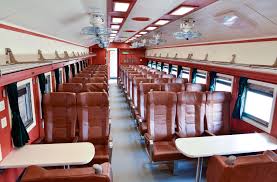
- Shovon Chair: This class offers reserved seating in a more comfortable chair compared to general coaches. It’s a step up from General class.
- AC Chair: These coaches are air-conditioned and offer comfortable chair seating. The price is higher than Shovon Chair due to the AC facility.
- AC Bair: This class provides air-conditioned berths, often with more space and privacy than AC Chair. It’s a premium option for overnight or long-distance travel.
- First Class: This is often the highest class, offering private cabins or very comfortable berths, usually air-conditioned. It provides the most luxurious travel experience.
The price difference between these classes can be substantial. For the same route and distance, AC Bair tickets will cost significantly more than Shovon tickets. This is because of the added comfort, amenities, and service provided in higher classes.
Seat vs. Berth and Reservation Types
The type of accommodation you choose also impacts the price. Seats are generally found in chair-class coaches, while berths are used for sleeping in overnight or long-distance trains, especially in AC classes.
There are also different reservation types. For example, some tickets might be for a specific seat number, while others might be for a berth in a shared cabin. The choice between a window seat, an aisle seat, or a specific berth can sometimes have minor variations in price or availability, though this is less common in standard fare calculations.
Here’s a simple breakdown:
- Seat Reservation: Typically for day trains or chair classes. Prices are generally lower than berth reservations.
- Berth Reservation: For overnight or long-distance trains in sleeping coaches (like AC Bair). These are more expensive due to the provision for sleeping.
Peak Hours and Special Services
While Bangladesh Railway generally has fixed fare structures, certain situations can influence pricing. Travel during peak hours or on special occasions might see higher demand, but typically not direct price increases on base fares unless specified by the railway authority for special services.
Special trains, like those operated during Eid or other major festivals, might have slightly adjusted fare structures or additional surcharges. These are usually announced well in advance by the railway. These special services aim to accommodate the increased passenger volume during festive periods.
Example of a Peak Travel Scenario
Consider traveling during the Eid-ul-Fitr festival. Many people travel to their ancestral homes. While the base fare for Shovon class might remain Tk 0.70 per kilometer, the demand drives up the need for more services.
The railway might add extra coaches or run special trains.
These special trains, or even the regular trains with extra coaches, might incur a small additional surcharge to cover operational costs. This ensures that even during high demand, more people can travel. The Bangladesh Railway fare calculator would ideally reflect these temporary surcharges if they are officially announced.
Impact of Distance on Fare
The distance of your journey is arguably the most significant factor in determining the final ticket price. The longer the distance, the higher the fare, assuming all other factors remain constant.
Bangladesh Railway calculates fares based on a per-kilometer rate for each class. For example, a 100 km journey will cost less than a 300 km journey in the same class. The fare structure is designed to be progressive, meaning the cost per kilometer might slightly decrease for very long distances to encourage long-haul travel.
Let’s look at how distance affects fare for a hypothetical Shovon class ticket:
| Distance (km) | Approximate Base Fare (Tk) | Notes |
|---|---|---|
| 100 | 70 | Base fare for 100 km at Tk 0.70/km |
| 300 | 210 | Base fare for 300 km at Tk 0.70/km |
| 500 | 350 | Base fare for 500 km at Tk 0.70/km |
As you can see, the base fare increases proportionally with distance. When you use a Bangladesh Railway fare calculator, it automatically computes this distance and applies the correct rate for your chosen class.
Tips for Using the Fare Calculator Effectively
To get the most out of a Bangladesh Railway fare calculator, a few smart practices can be very helpful. These tips ensure you get accurate prices and plan your travel budget with confidence.
Using the calculator wisely can save you money and prevent last-minute confusion. It’s about being informed and prepared. Here are some practical ways to make your fare calculations smooth.
Double-Check Station Names
As mentioned earlier, station names are critical. Always ensure you are selecting the correct station. Larger cities often have multiple railway stations.
For example, in Dhaka, there is Dhaka Railway Station (Kamalapur) and Airport Railway Station. While they might be relatively close, the official railway distance recorded between them and other destinations can differ. Always use the primary station for your departure or arrival unless you specifically intend to board or alight at a smaller, intermediate station.
This attention to detail prevents unexpected fare differences. If you input “Dhaka Airport” instead of “Dhaka Kamalapur,” the calculated distance and fare might vary slightly. Most calculators will present a dropdown list, so carefully select the one that matches your intended boarding point.
Compare Different Classes
Don’t just stick to one class. Use the calculator to compare prices across different classes for your route. This helps you find the best balance between cost and comfort.
Sometimes, the price difference between Shovon Chair and AC Chair might be surprisingly small for certain routes. Or, if you are on a tight budget, you’ll clearly see the savings by opting for General or Shovon class over higher AC classes. This comparative analysis is a key benefit of using a fare calculator.
For example, a journey that costs Tk 300 in Shovon Chair might cost Tk 500 in AC Chair. If that extra Tk 200 provides significant comfort and a cooler environment, it might be a worthwhile upgrade. The calculator empowers you to make this informed decision.
Consider Off-Peak Travel
If your travel dates are flexible, consider traveling during off-peak times. While base fares are usually fixed, demand during peak times can lead to sold-out trains, making it harder to secure tickets, and sometimes special surcharges apply. Off-peak travel offers a more relaxed experience.
Off-peak days are typically weekdays, especially Tuesdays and Wednesdays, and periods outside major holidays like Eid or Puja. Traveling on these days often means easier ticket availability and a less crowded train. The fare calculator will show the same price, but the overall travel experience might be better.
Even if the price doesn’t change, avoiding peak travel can save you from the stress of last-minute ticket hunts. It also allows you to enjoy the journey more peacefully. The calculator helps you see the consistent pricing regardless of the day.
Check for Promotional Offers
Sometimes, Bangladesh Railway or authorized travel agencies might offer special discounts or promotional packages. While not as common as in some other countries, it’s always worth checking for these.
These offers could be for specific routes, during certain times of the year, or for group bookings. If you find a promotion, factor that into your calculation. The fare calculator might not automatically show these discounts, so you may need to look for separate announcements.
Example of a Promotional Scenario
Imagine a “Weekend Special” offer announced for a particular route. The railway might state that tickets booked for Friday departures on the Dhaka-Cox’s Bazar route will receive a 10% discount on the base fare. If the base fare is Tk 600, the discount would be Tk 60, making the ticket Tk 540 before VAT and other charges.
You would use the standard fare calculator to get the price without the discount, and then manually apply the 10% reduction to see the final estimated cost. Always confirm the terms and conditions of any promotion.
Common Myths Debunked
Myth 1: Online fare calculators always show the exact final price.
Reality: While online calculators are very accurate for base fares and common surcharges, they might not always reflect last-minute dynamic pricing adjustments or highly specific promotional discounts that are not yet updated in their database. Always check the official Bangladesh Railway website or contact them for the most precise fare, especially for special trains or during major holidays.
Myth 2: All trains on the same route cost the same if the class is the same.
Reality: This is generally true for base fares. However, different train types (e.g., express vs. mail) can have slightly different fare structures or surcharges.
Additionally, special services or trains running on specific schedules might have unique pricing. The fare calculator usually defaults to standard express train pricing.
Myth 3: Ticket prices increase significantly during off-peak seasons.
Reality: For Bangladesh Railway, base ticket prices are largely fixed based on distance and class. Off-peak travel primarily affects availability and comfort rather than the price itself. Surcharges are more likely during peak demand periods like Eid, not during general off-peak times.
Myth 4: Children always pay the full fare.
Reality: Bangladesh Railway usually offers concessions for children. Typically, children below a certain age (e.g., 5 years) may travel for free if they don’t occupy a separate seat or berth. Older children might receive a discounted fare, often around 50% of the adult fare.
This concession might not always be reflected in basic online calculators and may need to be applied at the ticket counter.
Frequently Asked Questions
Question: How do I find the official Bangladesh Railway fare calculator?
Answer: The most reliable place to find the official Bangladesh Railway fare calculator is on the official website of Bangladesh Railway. Search for “Bangladesh Railway official website” to find it.
Question: Can I calculate fares for both reserved and unreserved tickets?
Answer: Online calculators primarily focus on reserved ticket fares as they involve fixed calculations. Unreserved (General) ticket prices are usually set per kilometer and can be roughly estimated, but exact prices are confirmed at the station.
Question: What is the difference between Shovon and Shovon Chair?
Answer: Shovon is the general seating class, often with bench-style seating and no fixed seat number. Shovon Chair offers reserved seating in a more comfortable chair with a designated seat number.
Question: Are there any discounts for students?
Answer: Bangladesh Railway does offer concessions for students, typically on certain routes or classes, often requiring a valid student ID. These discounts might need to be availed at the ticket counter.
Question: What currency are the fares calculated in?
Answer: All fares for Bangladesh Railway are calculated and quoted in Bangladeshi Taka (BDT).
Final Thoughts
Using the Bangladesh Railway fare calculator simplifies planning your train trips. You can easily determine costs for different classes and distances. This tool helps you budget accurately and avoid any fare surprises.
Always refer to official sources for the most precise calculations and enjoy your travels across Bangladesh.