Finding the Bangladesh Railway local train timetable can sometimes feel a bit tricky, especially if you’re new to planning train travel in the country. It’s like looking for a specific puzzle piece in a big box! But don’t worry at all.
This guide will make things super simple. We’ll walk through how to find the exact train times you need, step by step, so you can get to where you’re going with ease. Let’s get started and clear up any confusion.
Key Takeaways
- You will learn how to access the official Bangladesh Railway local train timetable.
- Discover easy methods to check train schedules from your phone or computer.
- Understand common challenges when searching for local train times and how to overcome them.
- Find out where to get the most up-to-date information for your travel plans.
- Learn tips for planning your local train journeys effectively.
Finding Your Bangladesh Railway Local Train Timetable
Accessing the correct Bangladesh Railway local train timetable is the first step for any local train travel. This schedule tells you when trains depart from stations and when they are expected to arrive at their destinations. For local trains, the timetable is especially important because they run more frequently and often serve shorter distances, connecting many communities.
Knowing the schedule helps you catch the right train, avoid long waits, and plan your day effectively. Without it, you might miss your train or spend hours waiting at the station. This section will guide you to the most reliable sources.
Official Bangladesh Railway Websites
The most accurate place to find the Bangladesh Railway local train timetable is directly from the official sources. The Bangladesh Railway (BR) website is the primary hub for all information regarding train services across the country. They regularly update their schedules, especially for local routes.
These websites often provide downloadable timetables or interactive tools where you can search for specific routes and dates. It’s best to check these sites first to ensure you have the latest information, as schedules can change due to various operational reasons.
When you visit the official website, look for sections labeled “Train Schedules,” “Timetable,” or “Online Ticket.” You might find that the local train timetables are presented in a slightly different format compared to long-distance trains. They could be listed by route, by station, or as a general timetable document. Sometimes, these documents are available as PDFs, which you can download and save for offline access.
This is incredibly useful if you don’t have constant internet access while traveling.
The benefit of using the official site is that it is maintained by Bangladesh Railway itself. This means the information is as current as possible. For local trains, which are crucial for daily commutes and inter-village travel, these schedules are vital.
You can often find specific timetables for different railway divisions or lines. It is a good practice to cross-check information if you find it elsewhere, just to be sure.
Mobile Applications
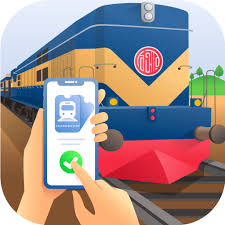
Many countries have developed mobile applications to make train travel more convenient. Bangladesh Railway has also been working to improve its digital services. Some official or third-party applications might offer real-time train tracking and schedule information.
These apps can be very handy because you can access the Bangladesh Railway local train timetable directly from your smartphone. You can search for a train between two stations, check departure and arrival times, and sometimes even see if a train is running on time.
These mobile applications often have user-friendly interfaces. You typically enter your starting station and your destination station, and the app will display all available local trains connecting those points. It’s a quick way to get the information you need without having to browse through a complex website.
Some apps even allow you to set reminders for your train departures, ensuring you don’t miss your ride. Make sure to download apps from trusted sources to avoid any security risks.
The advantage of using an app is the portability and ease of access. You can check the timetable on the go, while you’re commuting or even while standing at the station. This immediacy is a huge plus for local train travel where plans can change quickly.
Some of these apps might also provide information on ticket availability and pricing, though this is more common for long-distance routes. For local trains, the primary focus is often the schedule itself.
Understanding Local Train Schedules
Local trains in Bangladesh are designed to serve the everyday needs of people. They connect smaller towns and villages to larger cities and economic hubs. Unlike express trains, local trains make stops at almost every station along their route.
This means their journey times are typically longer. The Bangladesh Railway local train timetable reflects this by showing more frequent stops and a slower overall pace. Understanding this difference is key to planning your travel accurately.
When you look at a timetable, you will see a list of stations for a particular train. For each station, there will be a scheduled departure time. Local trains might depart from a station just a few minutes after arriving.
This short turnaround time is common as they are part of a larger network, and delays can have a ripple effect. It’s important to arrive at the station a bit before the scheduled departure time, especially for local trains.
The frequencies of local trains can vary. Some popular routes might have trains running every hour or even more often during peak times. Other less busy routes might have trains only a few times a day.
The timetable will show you these frequencies. You can often find specific timetables for different sections of the railway line. This helps you understand the pattern of service and choose the best train for your needs.
Key Information Found in Timetables
A typical Bangladesh Railway local train timetable will contain several important pieces of information. Firstly, it will list the train’s name or number. Local trains are often identified by numbers rather than names.
Then, you will see the list of stations the train serves, in order. For each station, the timetable shows the expected arrival and departure times.
It’s crucial to pay attention to the departure times from your originating station. Sometimes, the arrival times at intermediate stations are also shown, which can help you gauge the train’s progress if you are waiting for it. You might also find information about the days of the week the train operates.
Some local trains may not run on certain days, like Fridays or national holidays. Always check this detail to avoid disappointment.
Additionally, the timetable might provide platform numbers, although this is less common for local services and can change. It’s always a good idea to confirm the platform at the station itself. Some timetables also mention the type of train, like “commuter” or “local passenger.” This helps you distinguish it from faster, intercity services.
The main goal of the timetable is to provide a clear roadmap for your travel.
Interpreting Station Codes and Names
Stations on the Bangladesh Railway network often have unique codes. These codes are used in official documents and sometimes in online systems. Knowing the correct station name and its code is essential when searching for the Bangladesh Railway local train timetable.
For instance, Dhaka’s main station is Kamalapur, often abbreviated as KMP. Sometimes you might see codes like BZ for Barisal or CG for Chittagong. These codes help distinguish between stations with similar names or in different parts of the country.
When using online tools or apps, you will typically need to enter the station name. Most systems are quite user-friendly and will offer suggestions as you type. However, if you are looking at a printed timetable, you will need to find the exact station name listed.
Misspelling a station name or using an incorrect one can lead you to the wrong schedule, or no schedule at all.
It’s a good practice to familiarize yourself with the names of the major stations along your intended route. If you are unsure about a station name or its code, you can often find lists of stations on the Bangladesh Railway website or inquire at a local station. The timetable itself will usually list stations in full, so understanding these names is usually straightforward once you have the document.
Challenges and Solutions for Timetable Information
One of the biggest challenges for beginners seeking the Bangladesh Railway local train timetable is the availability and format of information. Sometimes, websites are not updated regularly, or the information is spread across different pages. Printed timetables might not be readily available at smaller stations.
This can make planning your trip feel like a puzzle.
To overcome these issues, always try to use the most official sources first. The Bangladesh Railway’s main website is usually the most reliable, even if it requires a bit of searching. If you are traveling to a less common destination, it is a good idea to check the timetable a few days in advance.
This gives you time to sort out any discrepancies or find alternative routes if needed.
Another challenge can be language barriers if the website is primarily in Bengali. However, most official sites will have an English version available. Look for a language selector, often found at the top or bottom of the webpage.
Using translation tools on your browser can also help if an English version is not provided.
Navigating Website Issues
Occasionally, official websites might experience technical difficulties, such as slow loading times or being temporarily unavailable. This is not exclusive to Bangladesh Railway; many large organizations face such issues. When this happens, it’s frustrating, especially when you need urgent information for the Bangladesh Railway local train timetable.
If the main website is down, try looking for information on their social media pages or official news releases. Sometimes, they might post schedule updates there. You could also try searching for third-party travel blogs or forums where other travelers might have shared updated timetables.
However, always treat information from unofficial sources with caution and try to verify it against official channels once they are back online.
Another strategy is to use mobile apps that aggregate train information. These apps often pull data from various sources, including official APIs if available, and can sometimes remain functional even if the main website is having issues. Make sure the app you use is reputable and has good reviews.
This can be a lifesaver when you’re in a hurry.
Getting Real-Time Updates
Timetables are a plan, but real-time updates are what actually matter on travel day. Delays can happen due to weather, technical problems, or track maintenance. For the Bangladesh Railway local train timetable, knowing about these disruptions in advance can save you a lot of stress and wasted time.
Many modern railway systems offer real-time tracking of trains.
While real-time tracking might be more advanced for intercity trains, some local train services may also have updates available. Check the official Bangladesh Railway website or their mobile app for any live status updates. Some apps might show a train’s current location and estimated arrival time.
This is invaluable information when you are on your way to the station or already waiting.
Another way to get real-time updates is to listen to announcements at the station. Station staff are usually the first to know about significant delays or cancellations. If you are unsure about your train, don’t hesitate to ask at the station master’s office or information desk.
They can provide the most current information about your specific local train service.
Planning Your Local Train Travel
Once you have found the Bangladesh Railway local train timetable, the next step is to plan your trip effectively. This involves more than just knowing the train times. It’s about making sure your entire journey is smooth from start to finish.
This includes considering travel time to the station, buffer time for unexpected delays, and your arrival at the destination.
Local trains are often used for daily commutes or short trips. This means they can get crowded, especially during peak hours in the morning and evening. If you are traveling with luggage or prefer a more comfortable ride, it might be better to travel during off-peak hours if your schedule allows.
The timetable will show you when these busy periods are likely to be, based on the frequency of trains.
When planning, always factor in some extra time. Train schedules are a guide, but real-world conditions can cause delays. For important appointments or connections, it’s wise to aim for a train that departs earlier than you strictly need.
This buffer time ensures that small delays don’t turn into missed opportunities.
Booking Tickets for Local Trains
For many local train routes in Bangladesh, tickets are usually purchased at the station on the day of travel. Unlike long-distance or intercity trains, pre-booking for local trains is often not required or even possible. You can simply go to the nearest ticket counter at the station, state your destination, and buy your ticket.
This makes spontaneous travel much easier.
However, some popular local train routes, especially those connecting major cities like Dhaka and Chittagong, might have options for advance booking or reserved seating. Check the specific rules for your route. The process is generally straightforward: find the ticket counter, tell the agent where you want to go, pay the fare, and receive your ticket.
Keep your ticket with you until you exit the station at your destination.
It’s worth noting that fares for local trains are typically very affordable, making them an economical choice for travel. The ticket price is usually based on the distance traveled. When buying your ticket, always confirm the fare with the agent to ensure you are paying the correct amount.
This simple step helps avoid any misunderstandings at the ticket counter.
Packing for Your Trip
When traveling by local train, especially if you are planning a day trip or a short journey, packing light is advisable. Local trains can get crowded, and managing a lot of luggage can be challenging. Focus on essentials that you will need during your journey and at your destination.
Here are some tips for packing:
- Essentials: Carry your identification, travel documents, and a small amount of cash.
- Comfort: If it’s a longer local train ride, a neck pillow or a light scarf can add comfort.
- Snacks and Water: It’s a good idea to carry your own water bottle and some snacks, as options might be limited on some local trains or at smaller stations.
- Entertainment: A book or a fully charged phone with downloaded music can help pass the time.
The goal is to be prepared without being weighed down. Think about what you truly need for the duration of your travel. For instance, if you are only traveling for a few hours, a small backpack or a shoulder bag is usually sufficient.
This allows you to move around more easily within the train and at the station. Being prepared makes the journey much more enjoyable.
Bangladesh Railway Local Train Timetable Comparison
Comparing different local train services can be helpful when choosing the best option for your travel needs. While the core function of all local trains is to connect communities, their schedules, speeds, and passenger capacity can vary. Understanding these differences helps you make an informed decision.
For example, some local trains might be commuter-focused with more frequent stops during peak hours, while others might be designed for longer distances between towns.
Here’s a general comparison of how local train timetables might differ:
| Feature | Typical Local Train | Slightly Faster Local/Commuter Train | Intercity Train (for contrast) |
|---|---|---|---|
| Frequency | Varies, can be hourly or few times a day | Often more frequent during peak times | Scheduled, less frequent overall |
| Stops | Most stations | Fewer stops than typical local | Major stations only |
| Speed | Slower, due to frequent stops | Moderate | Fastest |
| Purpose | Local connectivity, short distances | Commuting, connecting nearby towns | Long-distance travel, business |
When you consult the Bangladesh Railway local train timetable, you will notice that some trains have names like “Local Passenger” or “Commuter.” These distinctions often imply the type of service offered. A “Commuter” train, for instance, is likely to have a more dense schedule during the morning and evening commutes, serving people who travel to work in cities from surrounding areas. A “Local Passenger” might run less frequently but serve a wider network of very small stations.
The choice between different local train options depends entirely on your destination and time constraints. If you need to get to a major city quickly from a nearby town, a commuter train that skips some of the smallest halts might be ideal. If you are traveling to a very small village or need to make several short hops, a standard local passenger train is what you’ll look for in the timetable.
Case Study: Connecting Villages to a District Town
Consider a scenario where a number of villages are located a moderate distance from a district town. Residents of these villages need to travel to the town for work, education, and healthcare. The Bangladesh Railway local train timetable is crucial for them.
Let’s say there are three local trains operating on this route:
- Morning Local Express: Departs from the furthest village at 7:00 AM, makes 10 stops, and reaches the district town by 9:00 AM. This train is popular with office-goers.
- Midday Local Passenger: Departs from the same village at 11:00 AM, makes 15 stops, and arrives in town at 1:30 PM. This train is used by shoppers and those with daytime appointments.
- Evening Local Return: Departs from the district town at 5:00 PM, making 12 stops, and reaches the village by 7:00 PM, allowing people to return home after their day’s activities.
This simple example shows how different local trains cater to different needs throughout the day. The timetable is the guide that makes this organized travel possible. Without these schedules, villagers would struggle to access essential services and economic opportunities in the district town.
Statistics on Local Train Usage
Local trains play a significant role in the daily lives of millions in Bangladesh. According to reports from Bangladesh Railway, local and commuter trains carry a substantial portion of the total passenger volume. While exact figures can fluctuate yearly, it is estimated that these services transport several million passengers annually, forming the backbone of rural and semi-urban connectivity.
For instance, in a typical fiscal year, Bangladesh Railway might report carrying over 60 million passengers across all its services. A significant percentage of this figure, often upwards of 30-40%, is attributed to local and mail train services that cater to shorter distances and more frequent stops. This highlights the indispensable nature of the Bangladesh Railway local train timetable for the everyday commute and economic activity of a large segment of the population.
Common Myths Debunked
Myth 1: Local Train Timetables Are Always Outdated
Some people believe that local train timetables are rarely updated and therefore unreliable. While it’s true that schedules can sometimes be subject to last-minute changes, Bangladesh Railway generally tries to keep its official timetables as current as possible. The issue is often more about how accessible the most recent version is, rather than a complete lack of updates.
The reality is that official websites and apps are usually the best places to find the latest information. If a timetable seems old, it’s often best to verify it with a more direct source like the railway’s official portal or by inquiring at the station. Unofficial sources are more likely to have outdated information.
Myth 2: All Local Trains Are Slow and Inconvenient
It’s a common perception that all local trains are inconveniently slow. While local trains do make more stops than express trains, this is by design. They are meant to serve many small communities and provide affordable transportation options for daily commuters.
For the people who rely on them, they are often the most practical and accessible form of transport.
Moreover, there are often different types of local trains, some of which are designated as “commuter” or “fast local” services. These may skip a few stations compared to the slowest local trains, offering a slightly quicker journey for those who need it. The convenience lies in their extensive reach and affordability, not necessarily in their speed compared to express services.
Myth 3: You Can’t Get Real-Time Updates for Local Trains
There’s a misconception that you can only get static schedules for local trains and no real-time information about delays or current status. While real-time tracking might be more advanced for long-distance trains, many railway authorities are improving their digital services. Mobile apps and official websites often provide live train status for many routes, including some local ones.
The availability of real-time updates can vary, but it’s increasingly common. Even if direct tracking isn’t available, announcements at stations and information from railway staff are usually reliable for immediate updates on delays or cancellations. It’s always worth checking the official sources or asking at the station for the most current information.
Frequently Asked Questions
Question: Where can I find the most accurate Bangladesh Railway local train timetable
Answer: The most accurate timetable is usually found on the official Bangladesh Railway website or through their authorized mobile applications.
Question: Do I need to book tickets in advance for local trains
Answer: For most local trains, you can buy tickets at the station on the day of travel. Advance booking is often not required, but it’s good to check for specific routes.
Question: Are local trains crowded
Answer: Local trains can get very crowded, especially during peak commuting hours in the morning and evening.
Question: How can I check if a local train is delayed
Answer: You can check official railway apps or websites for real-time updates, or inquire at the station for announcements and information from staff.
Question: What information is included in a local train timetable
Answer: A local train timetable typically includes train numbers, station names, and scheduled departure and arrival times for each station along the route.
Summary
Finding and using the Bangladesh Railway local train timetable is straightforward when you know where to look and what to expect. By checking official sources, understanding the schedule details, and planning a bit ahead, you can easily arrange your local train travel. This guide shows you how to access reliable information so your trips are smooth and stress-free.
Enjoy your travels across Bangladesh by train.