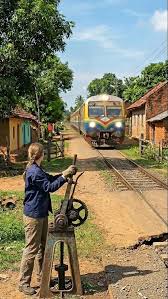
Sometimes learning about Bangladesh Railway safety rules can feel a bit tricky, especially when you’re just starting. There’s a lot of information, and it’s easy to get confused. But don’t worry!
We’ll break it all down step by step in a way that’s super easy to follow. Think of this as your friendly guide. We’ll make sure you get a clear picture of what’s important.
Get ready to learn the essentials without any fuss.
Key Takeaways
- You will learn the main reasons why safety rules are important on trains.
- We will explain the basic rules everyone needs to know when traveling by train.
- You will discover how to stay safe while boarding and disembarking trains.
- We will cover important safety tips for inside the train carriages.
- You will understand what to do in case of an emergency.
- We will touch upon rules for railway staff and their responsibilities.
Why Bangladesh Railway Safety Rules Matter
Safety rules are the backbone of any railway system, and Bangladesh Railway is no exception. They are put in place to protect everyone involved, from passengers and staff to the trains themselves. Imagine a busy train station; without clear rules, it would be chaotic and dangerous.
These regulations help prevent accidents, injuries, and damage. They ensure that train operations run smoothly and on time, providing a reliable transportation service for millions of people every day. Following these rules is not just about obeying laws; it’s about looking out for yourself and others.
The primary goal of Bangladesh Railway safety rules is to create a secure environment for all users. This includes preventing falls, collisions, and other potential hazards. When everyone understands and follows the rules, the risk of incidents decreases significantly.
This leads to a more pleasant and secure travel experience for passengers. For railway staff, these rules are even more critical as they are directly involved in the operation and maintenance of the railway network.
These rules are developed based on years of experience and analysis of past incidents. They cover a wide range of situations, from the everyday use of trains to emergency procedures. By adhering to them, we contribute to a safer railway system for the entire country.
Passenger Safety Guidelines
For passengers, the rules are designed to be simple and straightforward. The most common advice revolves around being aware of your surroundings. This means paying attention when you are near the tracks, on the platform, and inside the train.
It’s easy to get distracted by phones or conversations, but a moment of inattention can lead to trouble. Always keep your belongings close and be mindful of where you are stepping.
Another key aspect is ensuring you board and alight trains safely. This involves waiting for the train to come to a complete stop before attempting to get on or off. It also means using the provided steps and handrails.
Never try to jump on or off a moving train, as this is extremely dangerous. The railway authorities work hard to maintain clear platforms and accessible entry points to make this process as safe as possible for everyone.
Train Operation and Maintenance
The safe operation of trains relies heavily on strict adherence to rules by railway staff. This includes regular checks of the trains, tracks, and signaling systems. The drivers, guards, and station masters have specific responsibilities to ensure that trains run according to schedule and that all safety checks are completed.
Any fault or anomaly must be reported immediately to prevent potential accidents.
Maintenance crews play a vital role in keeping the railway infrastructure in good condition. This involves inspecting tracks for wear and tear, ensuring that electrical systems are functioning correctly, and making timely repairs. Proactive maintenance is far more effective than reactive repairs, preventing issues before they can become safety hazards.
The railway system is a complex network, and each part needs to function perfectly for overall safety.
Essential Safety Rules for Passengers
When you travel by train in Bangladesh, there are some basic safety rules that every passenger should know. These are designed to keep you safe before you even board the train, while you are on it, and when you get off. Following these simple guidelines can make a big difference in ensuring a secure and pleasant journey.
It’s about making smart choices and being aware of your surroundings at all times.
Platform Safety
The platform is the first place where safety rules become important. You should always stay behind the yellow line on the platform. This line marks a safe distance from the edge.
It is there to protect you from falling onto the tracks or being hit by a passing train. Never run on the platform. Always walk calmly and keep an eye on where you are going.
When a train arrives, wait for it to stop completely before you start to move towards the doors. Do not crowd the doors before people have exited. This makes it difficult for everyone and increases the risk of someone falling or getting pushed.
If you have luggage, make sure it is manageable and does not obstruct others or the train doors.
Here are some key points for platform safety:
- Stay Behind The Yellow Line This is a critical safety measure to prevent accidental falls onto the tracks. The yellow line is clearly marked on most platforms and indicates the safe waiting area. Standing behind this line ensures you are a safe distance from approaching and departing trains.
- Do Not Run On Platforms Running on platforms increases the chance of tripping, falling, or bumping into other passengers, which could lead to injuries or cause others to fall.
Walking calmly helps maintain order and prevents accidents.
- Wait For The Train To Stop Completely Attempting to board or alight a moving train is extremely dangerous. Always ensure the train has fully stopped. This gives you time to safely step on or off without rushing.
- Allow Passengers To Exit First Before you try to board, let passengers who are alighting the train get off completely.
This prevents congestion and potential accidents at the doorway.
Boarding and Alighting Safely
Getting on and off the train requires careful attention. Always use the steps provided and hold onto the handrails. These are designed to help you maintain balance and prevent slips.
Make sure your footwear is suitable and not slippery, especially in wet conditions.
Be aware of the gap between the train and the platform. While it is usually small, it can be a hazard, especially for children or elderly passengers. If you are traveling with children, hold their hands firmly.
If you have heavy luggage, ask for assistance or take breaks to manage it.
Important tips for boarding and alighting:
- Use Steps and Handrails Always make use of the designated steps to board and alight. Grab the handrails firmly to support yourself and prevent any loss of balance. These are your primary safety aids during this transition.
- Watch Your Step Be mindful of the space between the train and the platform edge.
Some platforms might have varying gaps. Ensure your feet land securely on the platform or train floor.
- Secure Your Belongings Keep your bags and luggage close to you and ensure they don’t fall onto the tracks or obstruct the doors. It is best to carry manageable bags.
- Assist Vulnerable Passengers If you see someone who might need help, like an elderly person or someone with children, offer your assistance.
This builds a safer community environment.
Inside the Train Carriage Safety
Once you are inside the train, there are still safety rules to follow. Keep the aisles clear. Do not place your bags in the aisle, as they can be a tripping hazard for other passengers, especially when the train is moving or during sudden stops.
Store your luggage on the racks above the seats or in designated luggage areas.
Always remain seated when the train is in motion, especially during acceleration and braking. If you must stand, hold onto the handholds provided inside the carriage. Avoid leaning out of windows.
This can be extremely dangerous due to passing objects or the speed of the train.
Key rules for inside the carriage:
- Keep Aisles Clear Never leave bags or personal items in the aisle. This ensures unobstructed movement for passengers and staff, preventing tripping incidents.
- Remain Seated When Moving When the train is in motion, especially during acceleration or braking, it is safest to be seated. If standing, always use the provided handholds.
- Do Not Lean Out Of Windows The windows are for looking out, not for extending your body.
Passing trains, signals, or trees can cause serious injury.
- Use Emergency Exits Responsibly Emergency exits are only for emergencies. Familiarize yourself with their location but do not tamper with them.
Emergency Procedures and Awareness
While we hope you never need to use them, knowing what to do in an emergency is crucial. Bangladesh Railway safety rules include clear procedures for various situations. The most important thing is to stay calm and follow instructions from the railway staff.
They are trained to handle emergencies and will guide you on the best course of action.
Reporting Issues
If you notice any safety concerns, such as a fire alarm, a medical emergency, or suspicious activity, report it immediately. Look for a railway staff member, or use the emergency communication systems if available. Even a small issue, if reported early, can prevent a larger problem.
Reporting is a vital part of the safety system. It helps railway authorities address potential risks before they escalate. Your awareness and action can help protect many lives.
Evacuation Procedures
In the rare event of an evacuation, listen carefully to announcements from the train crew. They will direct you to the safest exit points. Follow their instructions precisely.
Do not try to collect your belongings if it delays your evacuation. Your life is more valuable than any possession.
Railway staff are trained in evacuation techniques and will guide passengers to safety. They may assist in opening emergency exits. Cooperate with them fully to ensure a swift and orderly evacuation.
Railway Staff Responsibilities
Railway staff, including drivers, guards, station masters, and ticket collectors, have significant responsibilities to ensure the safety of operations. They are the frontline guardians of Bangladesh Railway safety rules. Their training and adherence to protocols are fundamental to preventing accidents and ensuring passenger well-being.
Train Crew Duties
The train driver is responsible for operating the train safely, adhering to speed limits, and observing all signals. The guard is responsible for the overall safety of the train and passengers, ensuring doors are secure, and communicating with the driver. They also play a key role in emergency situations.
Ticket collectors and on-board staff assist passengers, enforce rules, and report any issues they observe. Their constant vigilance contributes to a safe travel environment. They are trained to recognize potential hazards and respond appropriately.
Station Staff Roles
Station masters and platform staff manage the flow of passengers, ensure platform safety, and coordinate train movements. They are responsible for maintaining order at the station and providing necessary information to travelers. Their role is crucial in preventing congestion and ensuring safe boarding and alighting.
They also ensure that emergency equipment is in working order and that staff are positioned to assist passengers effectively. Their presence helps create a sense of security and order within the station premises.
Common Myths Debunked
Myth 1: Safety rules are only for new travelers
Reality: Safety rules apply to everyone, regardless of how often they travel. Familiarity can sometimes lead to complacency, which is dangerous. Experienced travelers often know the rules well, which helps them stay safer.
It’s important for all passengers to remain vigilant.
Myth 2: It’s okay to stand near the door while the train is moving
Reality: Standing near the door, especially while the train is in motion, is risky. Sudden jerks or braking can cause you to lose balance and fall, potentially onto the tracks or into other passengers. It’s always best to find a seat or hold onto a secure handrail away from the doors.
Myth 3: Emergency exits can be used to speed up boarding
Reality: Emergency exits are strictly for emergencies. Using them for any other purpose is illegal and dangerous. Tampering with emergency equipment can disable it for actual emergencies and can lead to severe penalties.
Always use the designated entry and exit points.
Myth 4: Safety is the sole responsibility of railway staff
Reality: While railway staff are trained and responsible for safety, passengers also play a vital role. Passengers must follow the rules, report concerns, and be aware of their surroundings. Collective responsibility ensures a safer railway for everyone.
Frequently Asked Questions
Question: What is the most important safety rule for passengers?
Answer: The most important rule is to always stay aware of your surroundings and pay attention to instructions from railway staff.
Question: What should I do if I lose something on the train?
Answer: Report the lost item to the nearest railway station staff or lost and found department. Provide as much detail as possible about the item and the train you were on.
Question: Can I travel with large luggage?
Answer: Yes, you can travel with luggage, but it must be stored in designated areas. Ensure your luggage does not obstruct aisles or doors.
Question: What if I see someone not following safety rules?
Answer: If you see someone acting unsafely, report it to the nearest railway staff. Do not confront them directly if it might put you at risk.
Question: Are there specific rules for children traveling alone?
Answer: Children traveling alone may have specific procedures or require authorization from railway authorities, depending on their age and the railway’s policy.
Summary
Following Bangladesh Railway safety rules is essential for everyone. These guidelines protect passengers and staff, ensuring smooth train operations. From platform awareness to inside carriage conduct and emergency preparedness, each rule contributes to a secure travel experience.
Understanding and practicing these rules makes railway journeys safer for all.